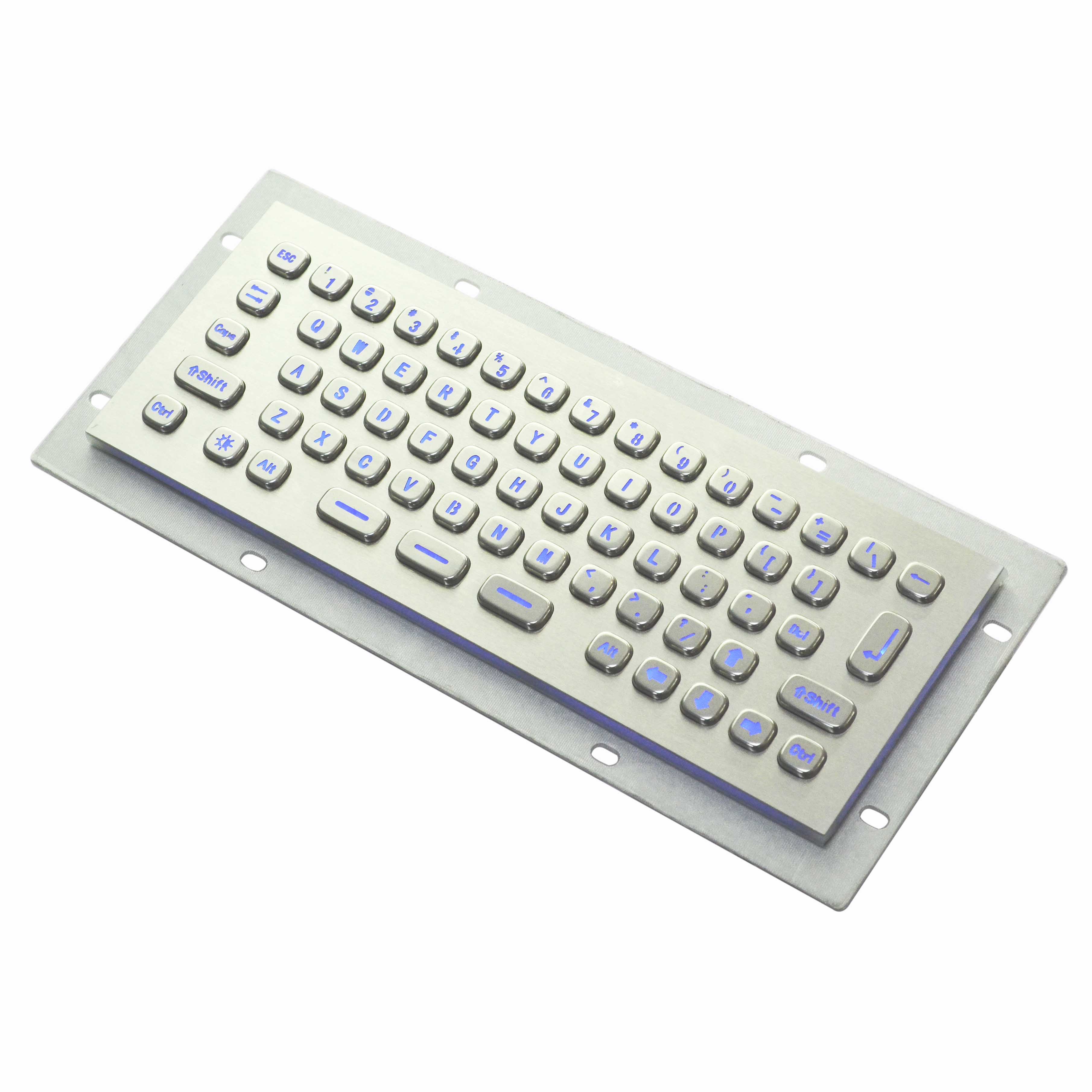
Metal keyboard: the evolutionary path from the industrial revolution to the digital age
author: KEYU1
2020-01-01

Metal keyboard: the evolutionary path from the industrial revolution to the digital age
In the wave of the digital age, keyboards, as an important medium for human-computer interaction, have undergone a transformation from industrial machinery to electronic products. The birth of metal keyboards not only continues the industrial genes of mechanical keyboards, but also radiates new vitality in the digital age. This input device that combines industrial design with modern technology is redefining the experience of human-computer interaction.
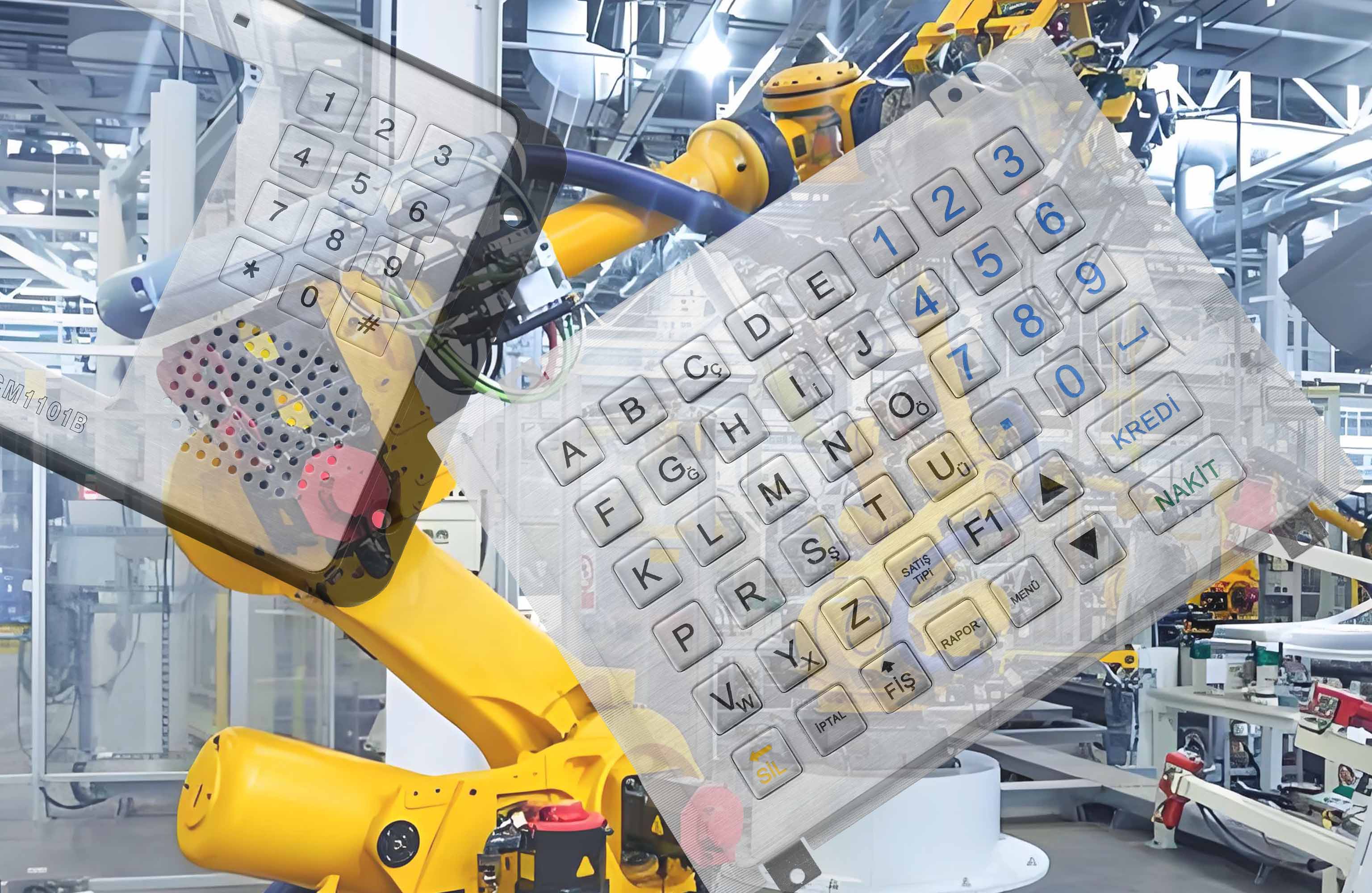
1. Inheritance of industrial genes
The origin of metal keyboards can be traced back to the typewriter era in the 19th century. The early Remington typewriters adopted an all-metal structure, and each key was connected to the hammer through a complex mechanical linkage. This design laid the foundation for the basic structure of the keyboard and provided inspiration for later mechanical keyboards. In the 1980s, the IBM Model M keyboard used a metal spring and contact structure, pioneering the modern mechanical keyboard. The metal elements in these early designs laid the groundwork for the emergence of all-metal keyboards.
The origin of metal keyboards can be traced back to the typewriter era in the 19th century. The early Remington typewriters adopted an all-metal structure, and each key was connected to the hammer through a complex mechanical linkage. This design laid the foundation for the basic structure of the keyboard and provided inspiration for later mechanical keyboards. In the 1980s, the IBM Model M keyboard used a metal spring and contact structure, pioneering the modern mechanical keyboard. The metal elements in these early designs laid the groundwork for the emergence of all-metal keyboards.
2. Evolution in the digital age
In the 21st century, with the maturity of CNC processing technology, all-metal keyboards began to emerge. In 2005, Das Keyboard launched the first mechanical keyboard with a metal panel, opening a new era of metal keyboards. Since then, materials such as aluminum alloy and stainless steel have been widely used in keyboard shells and structural parts. After 2015, with the rise of customized keyboard culture, CNC-processed aluminum alloy bodies became the standard for high-end keyboards, and metal keyboards entered a period of rapid development.
In the 21st century, with the maturity of CNC processing technology, all-metal keyboards began to emerge. In 2005, Das Keyboard launched the first mechanical keyboard with a metal panel, opening a new era of metal keyboards. Since then, materials such as aluminum alloy and stainless steel have been widely used in keyboard shells and structural parts. After 2015, with the rise of customized keyboard culture, CNC-processed aluminum alloy bodies became the standard for high-end keyboards, and metal keyboards entered a period of rapid development.
3. Expansion of application scenarios
Metal keyboards are widely used in many fields due to their excellent performance and texture. In the field of e-sports, the stability and durability of metal keyboards meet the stringent requirements of professional players; in office scenes, their excellent feel and silent design improve work efficiency; in the field of creative design, the exquisite appearance and personalized customization functions of metal keyboards are favored by designers. Especially in professional fields such as programming and writing that require high-intensity input, metal keyboards have become the first choice for productivity tools.
Metal keyboards are widely used in many fields due to their excellent performance and texture. In the field of e-sports, the stability and durability of metal keyboards meet the stringent requirements of professional players; in office scenes, their excellent feel and silent design improve work efficiency; in the field of creative design, the exquisite appearance and personalized customization functions of metal keyboards are favored by designers. Especially in professional fields such as programming and writing that require high-intensity input, metal keyboards have become the first choice for productivity tools.
4. Performance Advantages
The advantages of metal keyboards are reflected in multiple dimensions: in terms of structural strength, metal materials provide better support to ensure that the keyboard does not deform during long-term use; in terms of heat dissipation performance, the metal shell can effectively disperse the heat generated by internal components; in terms of tactile feedback, the resonance characteristics of metal materials bring clearer input feedback; in terms of service life, the durability of metal structures far exceeds that of plastic keyboards. In addition, the texture and weight of metal materials bring users a better user experience.
The advantages of metal keyboards are reflected in multiple dimensions: in terms of structural strength, metal materials provide better support to ensure that the keyboard does not deform during long-term use; in terms of heat dissipation performance, the metal shell can effectively disperse the heat generated by internal components; in terms of tactile feedback, the resonance characteristics of metal materials bring clearer input feedback; in terms of service life, the durability of metal structures far exceeds that of plastic keyboards. In addition, the texture and weight of metal materials bring users a better user experience.
From the mechanical structure of the industrial age to the electronic products of the digital age, the evolution of metal keyboards reflects the development trajectory of human-computer interaction technology. It not only continues the industrial genes of mechanical keyboards, but also shows unique value in the digital age. In the future, with the advancement of materials science and manufacturing technology, metal keyboards will continue to promote the innovation of human-computer interaction experience and write a new chapter in the digital world.
How do industrial waterproof keyboards cope with harsh environments
What are the characteristics and advantages of the metal keyboard?
Related Article

In industrial production, outdoor operations, and in environments that are humid and dusty, traditional keyboards often fail to withstand the test of the environment and are prone to malfunction. However, waterproof and dustproof industrial membrane keyboards, with their outstanding waterproof and dustproof capabilities, have become the preferred keyboards for these harsh environments.
Advantages of Industrial membrane keyboard