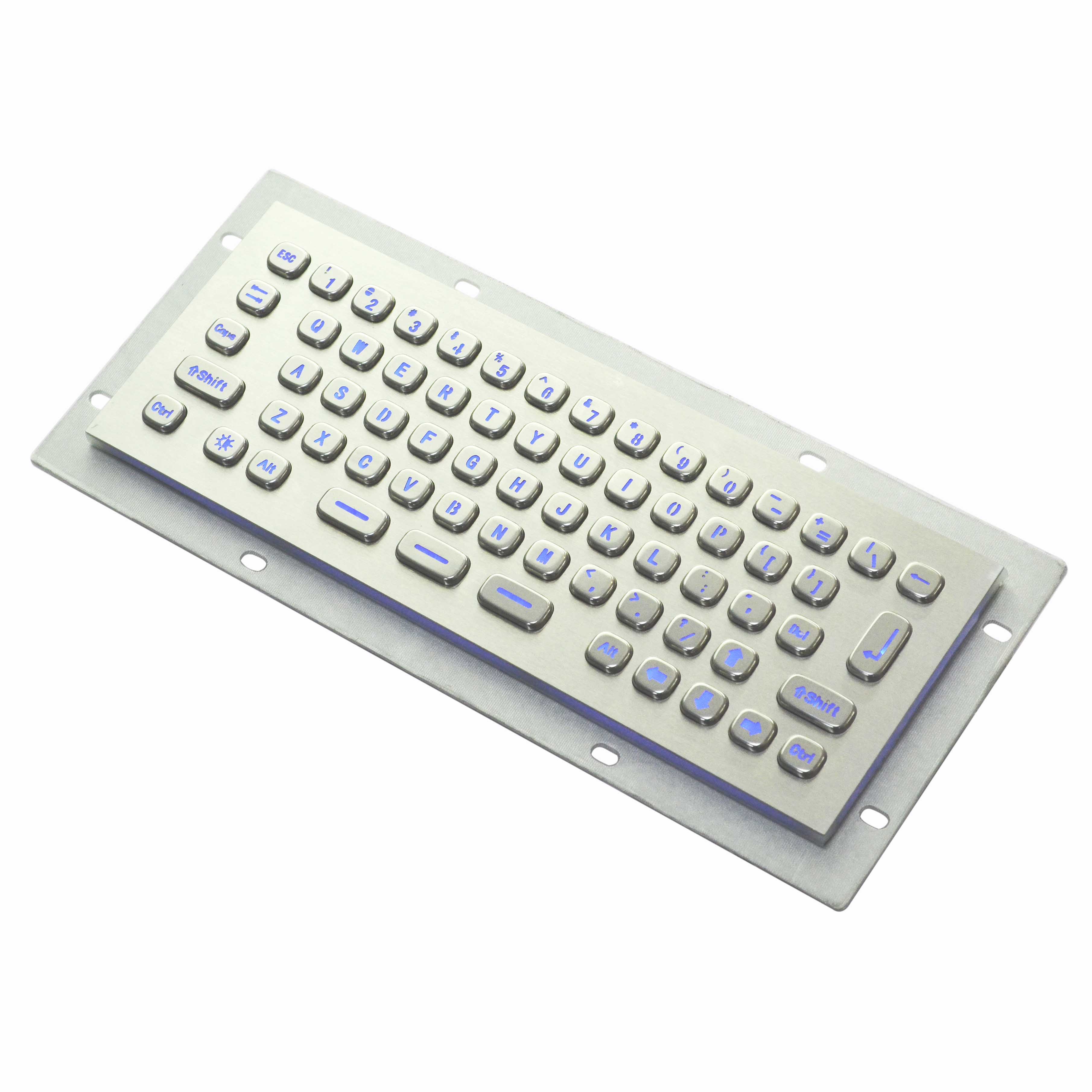
How does a waterproof keyboard work and what are the classification levels?
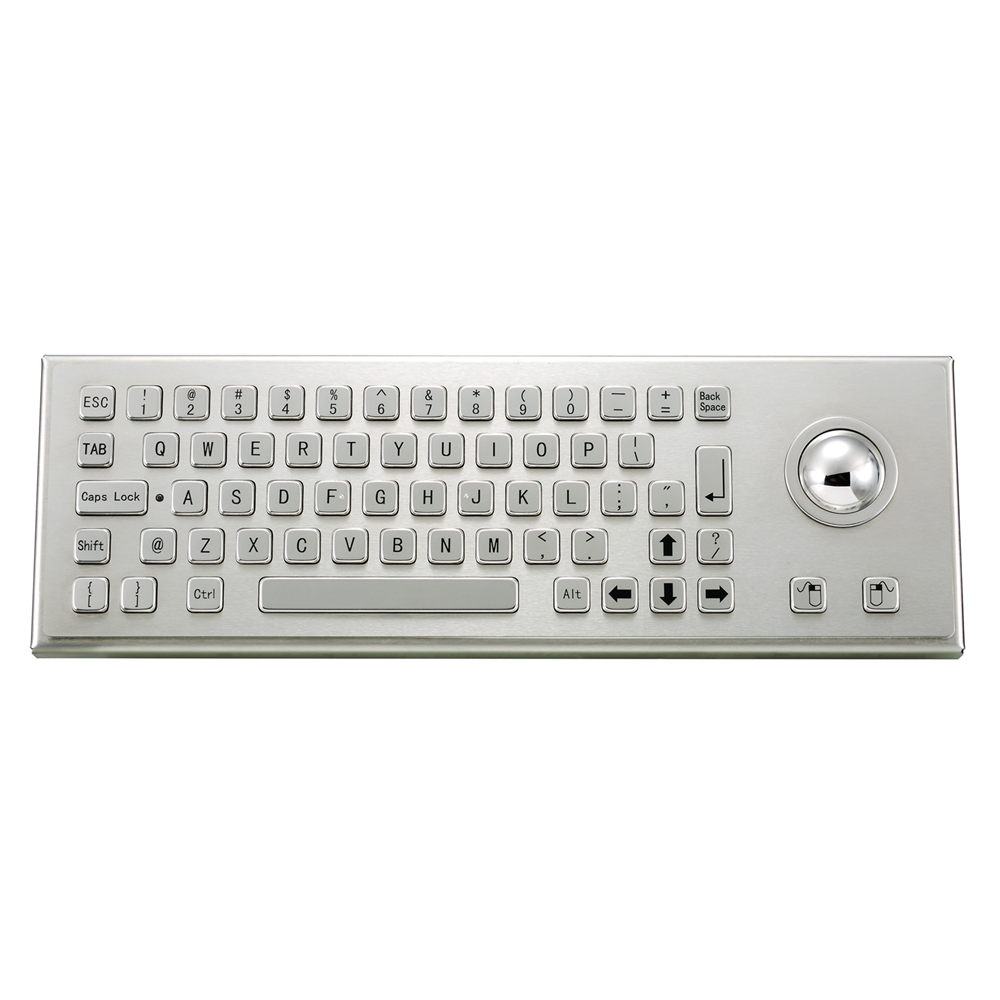
Industrial Waterproof Keyboards
Despite being labeled as waterproof keyboards, this does not mean they are entirely impervious to liquid penetration. The term waterproof refers to the keyboard's inherent resistance to water ingress, which can mitigate certain risks. However, improper use and maintenance may still lead to liquid damage.
Firstly, only industrial keyboards meeting specific waterproof standards can truly achieve waterproof performance. Common ratings include IPX5, IPX6, and IP67, each offering different levels of protection. An IP67-rated keyboard can be fully submerged in water (up to 1 meter) for extended periods without damage, making it suitable for extreme environments such as defense, healthcare, and industrial applications.
Secondly, even high-rated waterproof keyboards require proper care. Avoid pouring water or placing liquid containers on the keyboard, and refrain from consuming beverages or food while operating it to prevent accidental spills. After use, promptly wipe the surface to prevent water accumulation. Most importantly, do not overestimate the keyboard's waterproof capabilities or exploit its design, as its performance is limited to standard operating conditions.
Finally, note that waterproofing applies only to water. Exposure to chemicals or other liquids will damage the keyboard. Therefore, minimize contact with non-water liquids to preserve functionality and lifespan.
The following is an analysis of the waterproof performance of KeYu industrial waterproof keyboard and its usage guidelines.
-
IP Protection System
-
IPX5: Splash-proof (12.5L/min water spray from any direction)
-
IPX6: High-pressure jet-proof (100L/min water resistance)
-
IP67: Dust-tight and submersible (1m depth for 30 minutes)
Note: Military-grade keyboards may meet IP68 (continuous submersion)
-
-
Industry-Specific Requirements
Industry
Typical Rating
Special Features
Medical
IP67
Disinfectant-resistant coating
Chemical
IP65
Chemical-proof surface treatment
Outdoor
IP68
Low-temperature resistant (-40℃)
II. Usage Prohibitions
-
Strictly Avoid
-
Placing in high-humidity areas (e.g., bathrooms)
-
Direct alcohol cleaning (degrades seals)
-
Prolonged saltwater exposure (requires special treatment)
-
-
High-Risk Practices
-
Drinking liquids near keyboard (70% spill risk increase)
-
Ignoring condensation (main cause of PCB corrosion)
-
III. Maintenance Protocol
-
Routine Care
-
Clean with microfiber cloth + neutral cleaner
-
Inspect O-rings when removing keycaps
-
-
Emergency Response
-
Power off immediately and invert keyboard
-
Rinse PCB with anhydrous alcohol (IP67+ only)
-
-
Lifespan Management
-
Conduct seal tests biannually
-
Waterproof performance declines 20-30% annually
-
IV. Common Misconceptions
-
Waterproof ≠ liquid-proof (only fresh water)
-
Higher ratings aren't always better (context-dependent)
-
Submersion doesn't guarantee functionality (requires professional drying)
The introduction of membrane keyboard with numeric keypad
The differences between industrial numeric keypad and common keyboards
Related Article