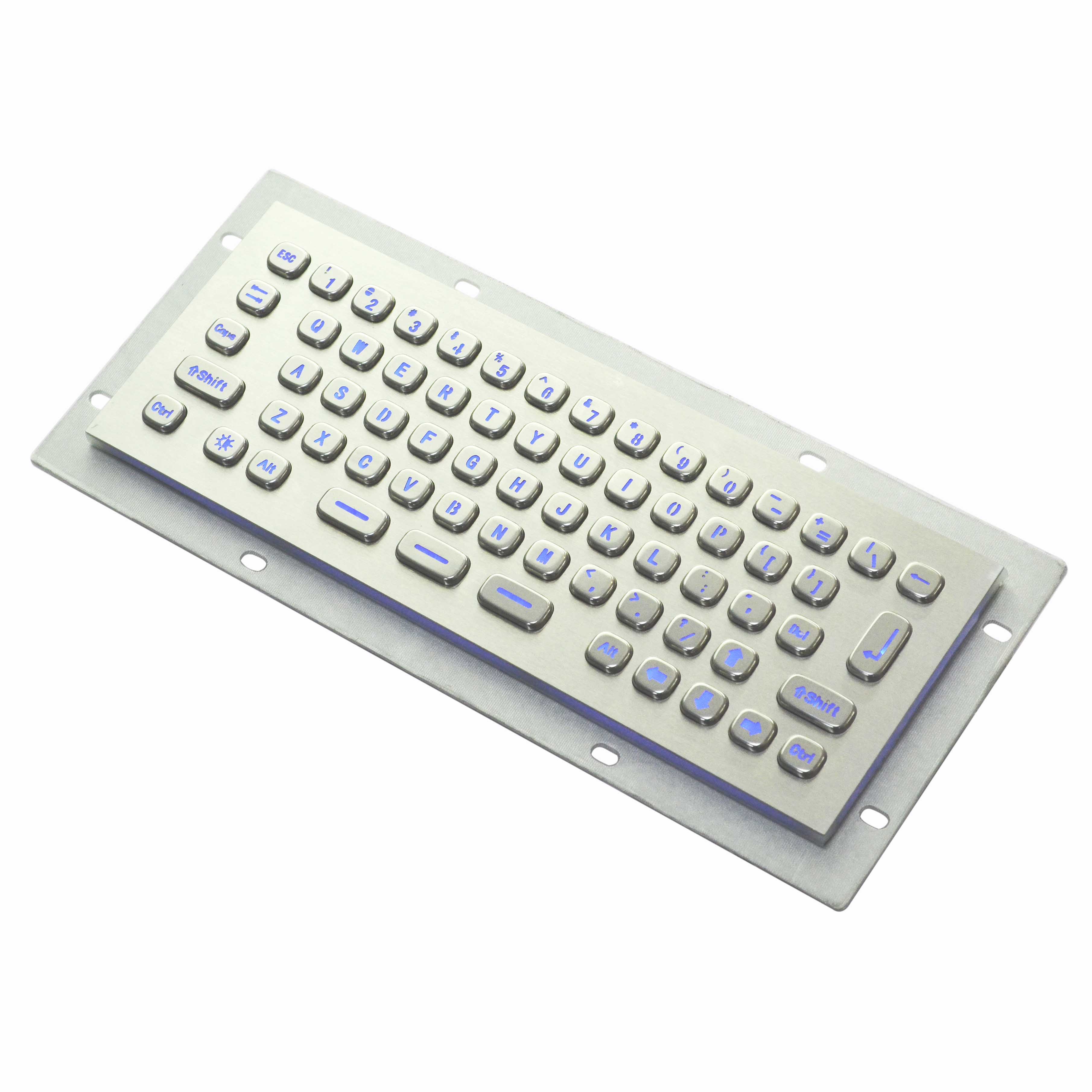
industrial metal keyboard
author: Linsa
2026-02-04
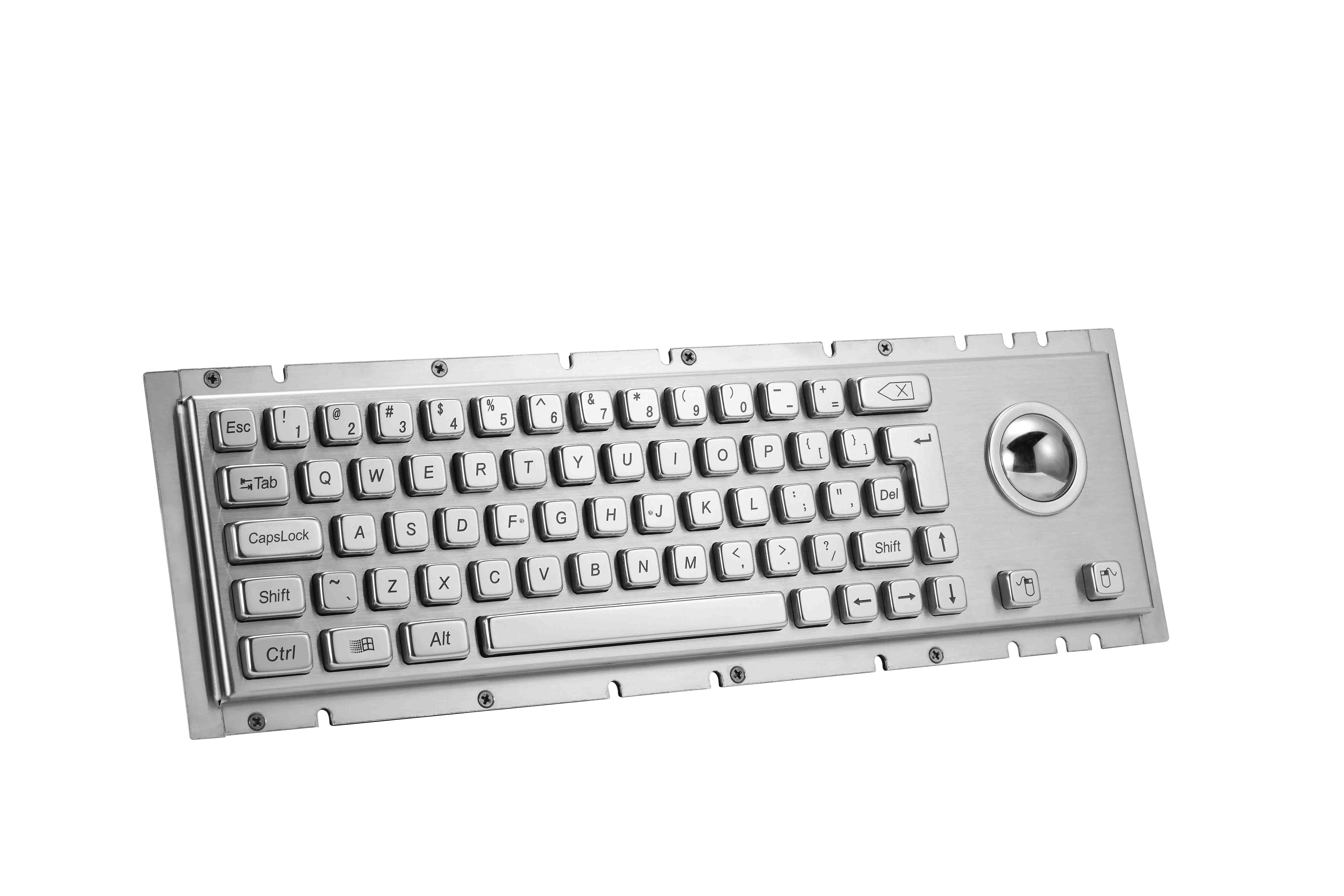
Compared with traditional plastic keyboards, industrial metal keyboards can operate stably in extreme temperatures, humidity, dust or oil-contaminated environments, and are suitable for scenarios with high reliability requirements such as manufacturing, automation control, outdoor operations, and medical equipment.
Technical Principles and Core Characteristics
Metal Material Application: The keyboard frame and keys are usually made of stainless steel or aluminum alloy. The surfaces are treated with anodizing or sandblasting to enhance wear resistance and corrosion resistance. Some high-end models adopt an integrated molding process to reduce seams and further enhance protection performance.
Protection Grade: Compliant with IP65 or IP68 standards (international protection grades), capable of resisting dust intrusion and short-term immersion, suitable for outdoor or humid environments (such as food processing plants, chemical workshops).
Touch Sensation and Feedback: The keys use conductive rubber or metal contacts to ensure accurate input even in low temperatures or when the palm is wet. Some models support backlighting, facilitating operation in dim environments.
Interfaces and Compatibility: Provide PS/2, USB or RS232 interfaces, compatible with Windows, Linux, etc. Some products support wireless connections (such as Bluetooth or 2.4G wireless modules).
Application Scenarios and Advantages
Manufacturing: In automotive assembly lines, electronics factories, etc., metal keyboards can withstand oil stains, metal debris and frequent cleaning, reducing equipment failure rates.
Outdoor Operations: In oil exploration, port dispatching, etc., keyboards need to withstand sand, salt fog and temperature variations. Metal materials can maintain stability over the long term.
Medical and Food Industry: The design that meets hygiene standards (such as seamless surfaces, detachable cleaning) can prevent bacterial growth and meet HACCP and other certification requirements.
Military and Emergency Scenarios: Some keyboards pass military standard tests (such as MIL-STD-810G), capable of working in extreme temperatures ranging from -40°C to 70°C, suitable for field command or rescue equipment.
Industry Standards and Selection Suggestions
Certification Requirements: Prioritize products that have passed certifications such as CE, FCC, RoHS to ensure electromagnetic compatibility and environmental compliance.
Customization Needs: Select key layout (such as QWERTY or custom key positions), interface type and backlight color based on the usage scenario. Some manufacturers support laser-engraved keycaps for permanent identification.
Maintenance Costs: Metal keyboards typically have a lifespan of over 100 million key presses, but regular cleaning of interfaces and inspection of waterproof gaskets are necessary to avoid long-term exposure to strong acids and strong alkalis.
Companion Equipment and Expansion Functions
Industrial metal keyboards are often integrated with industrial touch screens, barcode scanners or PLC controllers to form human-machine interaction terminals. Some high-end models support fingerprint recognition, NFC swiping or voice input to meet contactless operation requirements.
What should be done if the sensitivity of the industrial computer mouse fails?
Let's talk about the performance features of the metal keypad.
Related Article

In industrial production, outdoor operations, and in environments that are humid and dusty, traditional keyboards often fail to withstand the test of the environment and are prone to malfunction. However, waterproof and dustproof industrial membrane keyboards, with their outstanding waterproof and dustproof capabilities, have become the preferred keyboards for these harsh environments.
Advantages of Industrial membrane keyboard