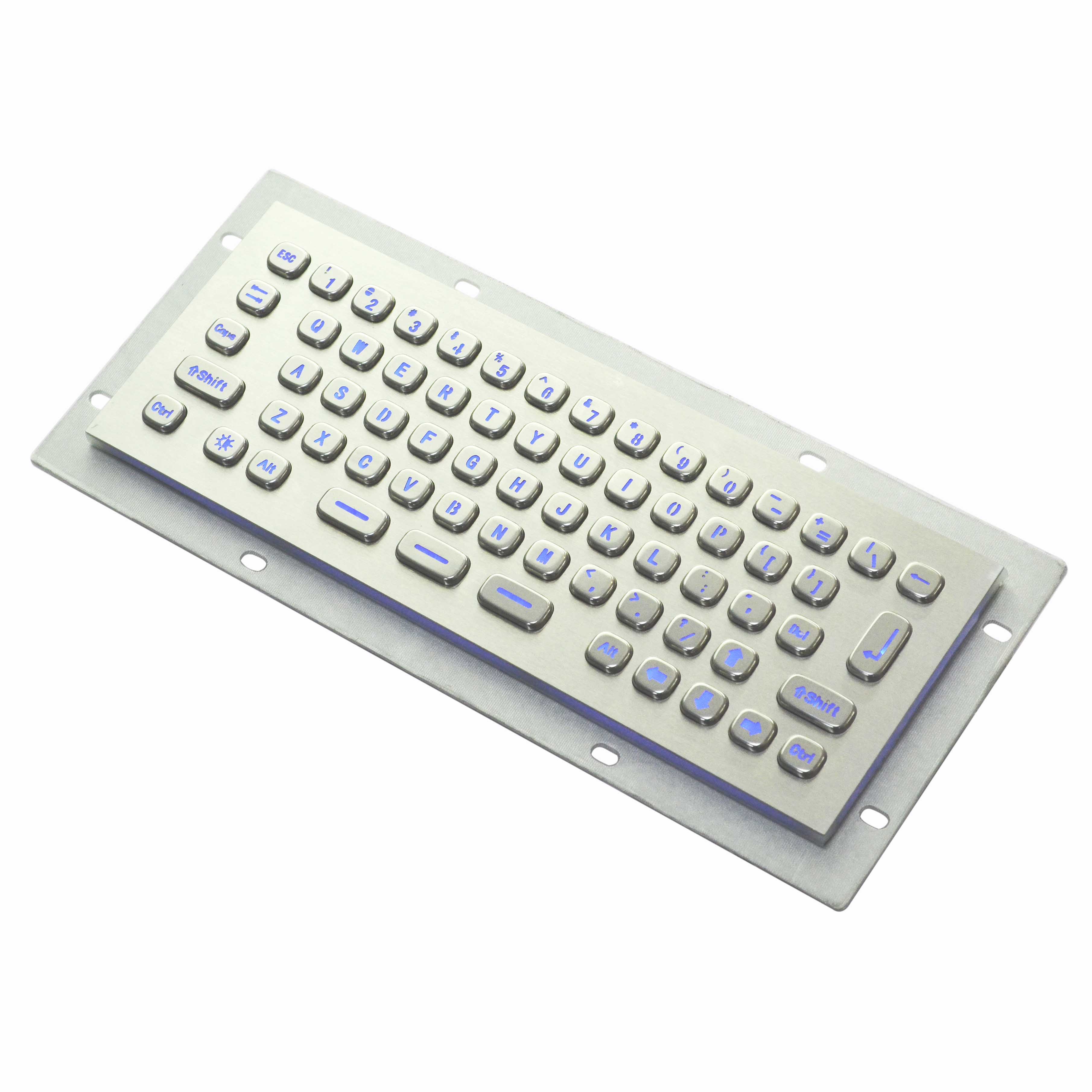
Manufacturing process of metal keyboards
The manufacturing process of a metal keyboard mainly includes the following steps:
1. Material Preparation: the manufacture of a metal keyboard begins with the preparation of metal materials, usually aluminum alloy or stainless steel.nspecting the quality of incoming materials is the first step in ensuring that only qualified raw materials are used to make the metal keyboard.
2. CNC Machining: Computer Numerical Control (CNC) machines are used to precisely cut the metal raw materials to form the shell and key contours of the keyboard.
3. Surface Treatment: The metal surface is treated to improve its texture and corrosion resistance. Common surface treatment methods include sandblasting, hairline finish, and anodizing or electroplating. The benefits of surface treatment can include increased durability, improved adhesion, enhanced corrosion resistance, reduced friction, improved appearance, and more.
4. Key Production: Keys can be made by laser drilling technology to form a perforated dot matrix, thereby constructing characters. This process is relatively simple, and the color of the characters is easy to change.
5. Assembly: The treated metal parts are assembled with circuit boards, key caps, and other components. Adhesives or other fixing methods may be used during the assembly process.
6. Testing: After assembly, the keyboard undergoes functional testing to ensure that all keys work properly.
Metal Keyboard Testing
Functionality Test
The functionality test of metal keyboards involves checking whether all the keys work as intended. Each key is pressed multiple times to ensure that it registers each time it is pressed. This test ensures that the keyboard is working as it should and all its components are in good working order.
Durability Test
The durability test is used to evaluate the durability of the keys of the metal keyboard. The keys are pressed many times to verify how they handle heavy use. The test checks whether the keys still work correctly after the test, and whether they are more liable to wear or breakage.
Water Test
A water test is performed to check the keyboard’s resistance to liquids. Metal keyboards are typically designed to be waterproof to prevent damage due to accidental spills. The water test is done by spraying a small amount of water onto the keyboard’s surface and checking for any damage to the keyboard or any reduction in its functionality.
Temperature and Environment Test
The temperature and environment tests are used to establish how well the keyboard can operate in different environmental conditions. The keyboard is tested for operation in hot or cold environments and also in dusty or humid conditions. The tests ensure that the keyboard can function well in harsh environmental conditions.
Cleaning Test
Metal keyboards typically have a sleek and stylish design that can be enhanced by proper cleaning. For this reason, a cleaning test is performed to determine how easy it is to clean the keyboard and how its appearance may change after cleaning.
7. Packaging: Keyboards that pass quality inspection are packaged and prepared for marketing.
The manufacturing process of a metal keyboard involves multiple meticulous steps, from material selection to final product testing, ensuring the quality and performance of the keyboard at every step.
KEYU specializes in the R&D and production of metal keyboards, featuring stainless steel panels with brushed finishes and stainless steel stretched keycaps. Our keycaps come in a variety of options, including solid gold keycaps, all-metal keycaps, black metal keycaps, and backlit metal keycaps. This diverse range ensures that our products exude a metallic aesthetic, elevating their overall quality and appearance. Constructed with robustness and durability in mind, KEYU's metal keyboards are designed to withstand the rigors of daily use, making them an ideal choice for applications that demand reliability and style.
Medical keyboard introduction
Application of stainless steel metal keyboard in industrial field
Related Article