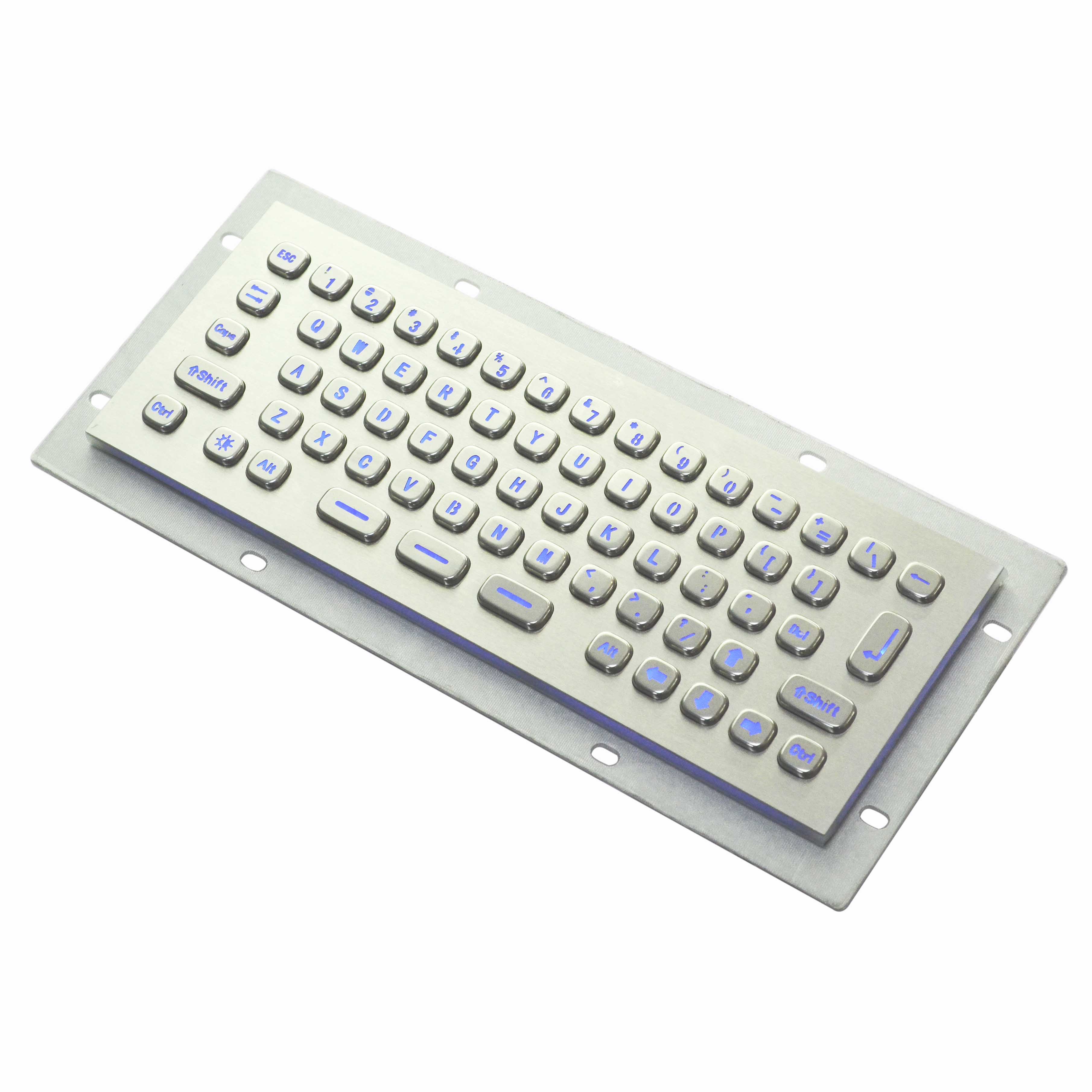
The differences between industrial numeric keypad and common keyboards
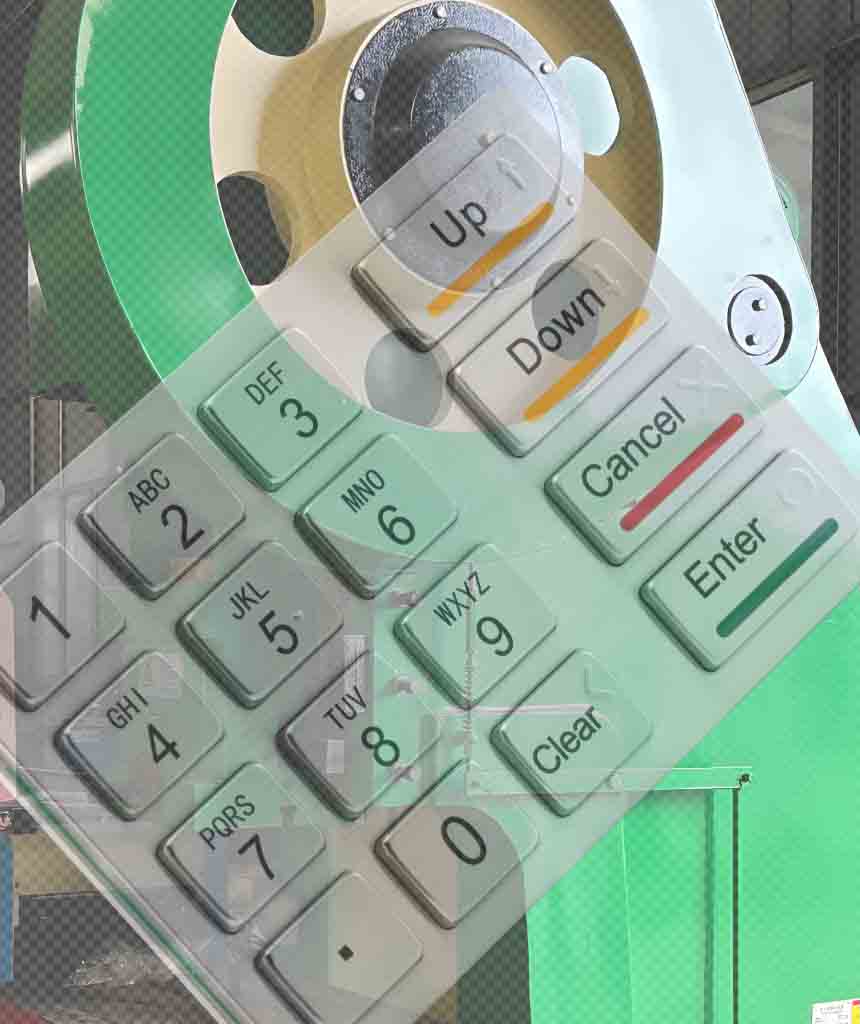
Industrial numeric keypad are input devices specifically designed for harsh environments, featuring high protection levels, durability and customization. They are widely used in self-service terminals, financial equipment and other scenarios.
Analysis of the Core Differences between industrial numeric keypad and common Keyboards
Industrial numeric keypad and common keyboards (such as membrane keyboards and some mechanical keyboards) have significant differences in design goals, performance characteristics, and application scenarios. The following is a comparative analysis from multiple dimensions.
The following is the website for the industrial numeric keypad:
//www.input-device.com/products/industrial-numeric-durable-metal-keypad.html
Protective Performance and Environmental Adaptability
- The industrial numeric keypad is specially designed for harsh environments and features core protection functions such as water resistance, dust resistance, shock resistance, and explosion-proof. It has a high protection level and can adapt to extreme conditions such as high temperature, high humidity, dust, and vibration. For instance, in scenarios such as coal mines and maritime affairs, it is necessary to prevent the invasion of dust and liquids, and medical equipment needs to be frequently disinfected to maintain stable operation.
- Common keyboards: They have relatively weak protective performance and usually only have basic dust-proof capabilities. Liquid splashes or dust accumulation can easily cause malfunctions. They are mainly suitable for clean environments such as offices and homes.
Structural Materials and Durability
- Industrial numeric keypad: It features a metal casing (such as stainless steel) and sturdy keys, with high structural strength. It can withstand high-intensity use and physical impact, and has a service life of over a million key operations. Some products also integrate electronic lock switches to prevent illegal operations.
- Common keyboards: Most of them have plastic shells. Although mechanical keyboards use mechanical shafts to enhance durability, their overall impact resistance is still weaker than that of industrial metal keyboards. The membrane keyboard relies on plastic film for triggering. Long-term use is prone to aging or contact failure.
Function Customization and Applicable Scenarios
- Industrial numeric keypad:Supports deep customization, including key layout, quantity, function key definition (such as integrated trackball, touchpad), interface type, etc. The size and shape can be adjusted according to the device requirements, for example, the encrypted key layout of financial self-service terminals or the dedicated function keys of industrial control computers
- Common keyboards: They have a high degree of standardization, with fixed key layouts (such as 104 keys) and functions. They only support basic personalization such as backlighting and keycap materials, and cannot meet the embedded requirements of special devices
Function Customization and Applicable Scenarios
- Industrial numeric keypad: Supports deep customization, including key layout, quantity, function key definition (such as integrated trackball, touchpad), interface type, etc. The size and shape can be adjusted according to the device requirements, for example, the encrypted key layout of financial self-service terminals or the dedicated function keys of industrial control computers
- Common keyboards: They have a high degree of standardization, with fixed key layouts (such as 104 keys) and functions. They only support basic personalization such as backlighting and keycap materials, and cannot meet the embedded requirements of special devices
How does a waterproof keyboard work and what are the classification levels?
Advantages of Metal Mechanical Keyboards
Related Article